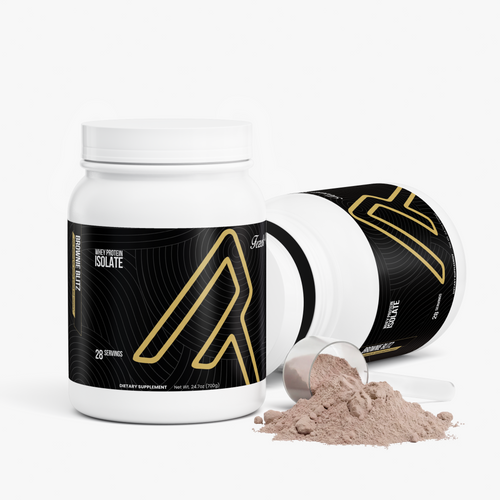
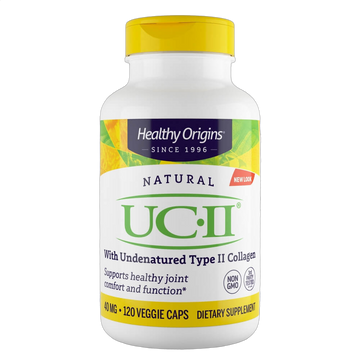
In the quest for optimal health, many women turn to supplements to fill nutritional gaps and support their well-being. The diverse needs of women’s bodies demand specific nutrients that can vary based on age, lifestyle, and health conditions. This comprehensive guide explores essential women’s health supplements, aiming to equip readers with the knowledge to make informed choices for a healthier life.
Understanding Women’s Health Supplements
Women’s health supplements are formulated to address the unique physiological requirements of women. These can range from supporting reproductive health to enhancing bone density and boosting energy levels. Understanding which supplements are beneficial at different stages of life can help in crafting a personalized health regimen.
Key Supplements for Women’s Health
- Calcium and Vitamin D: Essential for maintaining healthy bones, especially important during post-menopausal years when the risk of osteoporosis increases.
- Iron: Critical during menstruation, pregnancy, and breastfeeding to prevent anemia and support energy levels.
- Folic Acid: Vital for women of childbearing age to prevent birth defects and support cell growth.
- Omega-3 Fatty Acids: Beneficial for heart health, reducing inflammation, and supporting mental well-being.
- Probiotics: Aid in digestive health and boost the immune system by maintaining healthy gut flora.
These supplements target specific health concerns and are often included in various women’s supplements available on the market.
Choosing the Right Supplements
Selecting the right women’s health supplements can be overwhelming due to the plethora of options available. Consider these factors when choosing supplements:
Age and Life Stage
Different life stages demand different nutrients. For instance, teenage girls might require more iron and calcium, while pregnant women need folic acid and omega-3 fatty acids. Post-menopausal women may focus on calcium and vitamin D to support bone health.
Dietary Habits
Vegetarian or vegan women might need additional vitamin B12 and iron supplements, while those with restricted diets should consider a comprehensive multivitamin to avoid deficiencies.
Health Conditions
Women with specific health conditions, like hormonal imbalances or digestive issues, may benefit from targeted supplements such as probiotics for digestive health or magnesium for menstrual discomfort.
Consulting with Healthcare Professionals
Before starting any supplement, it is advisable to consult with a healthcare professional. A tailored approach to selecting supplements can ensure they align with individual health needs and prevent potential interactions with medications.
Healthcare professionals can provide guidance on the appropriate dosage and timing, maximizing the benefits of supplements while minimizing any adverse effects.
Conclusion
Understanding the role of essential supplements in women’s health is crucial for maintaining overall well-being. By focusing on key nutrients like calcium, iron, and omega-3 fatty acids, women can address specific health needs at every life stage. When selecting supplements, consider factors such as age, dietary habits, and health conditions, and always seek professional advice for a tailored approach. With the right knowledge and choices, supplements can be a valuable part of a holistic health strategy.
About the Author