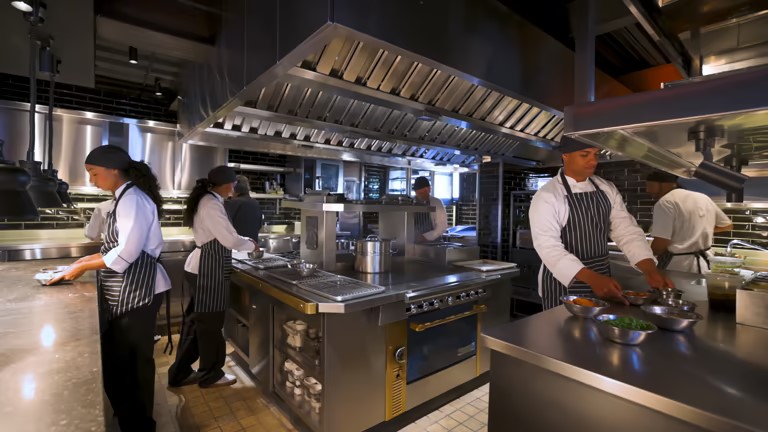
Commercial cooking ventilation is a critical component of any professional kitchen, safeguarding both safety and efficiency. Proper ventilation removes heat, smoke, grease, and airborne contaminants, protecting staff health, preserving equipment, and ensuring compliance with local fire codes. Understanding the essential features of a high-performing system helps kitchen designers, operators, and maintenance teams make informed decisions that enhance operational reliability and reduce long-term costs.
Core Components of a Commercial Ventilation System
Hood and Capture Devices
The hood is the first line of defense, capturing rising fumes directly above cooking appliances. Effective hoods incorporate:
- Strategic sizing based on the cooking equipment’s heat output (BTU/hr).
- Adjustable capture velocity to balance grease removal without excessive energy use.
- Fire-resistant materials and automatic fire suppression integration.
Choosing the right hood design can dramatically improve capture efficiency, and detailed guidance is available to Discover expert strategies here.
Exhaust Ductwork
Once captured, contaminants travel through a network of ducts that must maintain smooth airflow and prevent grease buildup.
- Round or rectangular ducts with minimal bends reduce pressure loss.
- Insulated ducting protects against condensation and heat loss.
- Accessible clean-out points simplify routine maintenance.
For a deeper dive into duct design best practices, Learn about our tailored solutions.
Fans and Airflow Control
Fans move the captured air through the system and out of the building. Selecting the appropriate fan type and control strategy is essential for energy efficiency.
- Variable-speed (VFD) fans adjust airflow based on real-time demand.
- Back-pressure monitoring ensures the system operates within design limits.
- Noise-reduction features such as insulated housings improve kitchen comfort.
Industry professionals can Explore advanced guides and tips on fan selection and performance tuning.
Key Performance Metrics
Capture Velocity
Capture velocity measures the speed at which air is drawn into the hood. It must be high enough to pull grease-laden vapors but not so high that it creates turbulence.
- Typical values range from 100 to 200″?ft/min for standard cooking appliances.
- Adjustable velocity controls allow fine-tuning for different cooking loads.
Static Pressure
Static pressure indicates the resistance the fan must overcome. Excessive static pressure leads to higher energy consumption and reduced airflow.
- Design the duct layout to keep static pressure below 0.5″?in.”?wg for most systems.
- Regular cleaning of ducts and filters maintains low pressure levels.
Air Changes per Hour (ACH)
ACH quantifies how many times the kitchen’s air volume is replaced each hour. Proper ACH helps control temperature and odor.
- Restaurants typically target 15-20 ACH, while high-heat operations may require 20-30 ACH.
- Integration with HVAC systems ensures balanced pressure differentials.
Safety and Compliance Features
- Fire Suppression Systems: Automatic extinguishing mechanisms within hoods and ducts meet NFPA 96 standards.
- Grease Filters: High-efficiency filters capture particulate matter before it reaches fans, reducing fire risk.
- Temperature Sensors: Real-time monitoring alerts staff to overheating conditions.
- Code-Compliant Materials: Use of stainless steel, aluminum, and fire-rated insulation ensures durability and regulatory compliance.
For a comprehensive checklist of safety requirements, Find out more about this approach.
Maintenance Strategies for Longevity
Regular maintenance preserves system performance and extends component life. A proactive schedule includes:
- Weekly visual inspections of hoods and filters for grease accumulation.
- Monthly cleaning of duct interiors using approved degreasers.
- Quarterly fan bearing lubrication and belt tension checks.
- Annual professional audits to verify compliance with fire codes.
Guidelines for establishing a maintenance program are outlined in detail on the site; Explore advanced guides and tips for best practices.
Energy Efficiency Considerations
Ventilation can be a significant energy draw. Incorporating the following features reduces operating costs while maintaining performance:
- Variable Air Volume (VAV) Controls: Adjust exhaust rates based on cooking activity.
- Heat Recovery Units: Capture waste heat to pre-heat water or assist space heating.
- Smart Sensors: Detect smoke, temperature, and humidity to trigger ventilation only when needed.
Industry resources provide case studies on energy savings; Learn about our tailored solutions for implementing these technologies.
Future Trends in Commercial Kitchen Ventilation
Emerging technologies are reshaping how kitchens manage air quality and energy use:
- IoT-Enabled Monitoring: Real-time data dashboards enable predictive maintenance and remote adjustments.
- Advanced Filtration Media: Nanofiber filters capture ultrafine particles with lower pressure drop.
- AI-Driven Optimization: Machine learning algorithms fine-tune fan speeds and airflow patterns based on historical cooking cycles.
Staying ahead of these developments can provide competitive advantages; to keep informed, Discover expert strategies here.
Conclusion
Effective commercial cooking ventilation hinges on a balanced integration of capture devices, ductwork, fans, and safety systems, all calibrated to the specific demands of the kitchen environment. By focusing on key performance metrics, adhering to safety codes, implementing disciplined maintenance, and embracing energy-saving technologies, operators can achieve a resilient, compliant, and cost-effective solution. Continuous learning and adaptation, supported by authoritative resources such as those found at Find out more about this approach, ensure that kitchen ventilation remains a strategic asset rather than a regulatory hurdle.
About the Author