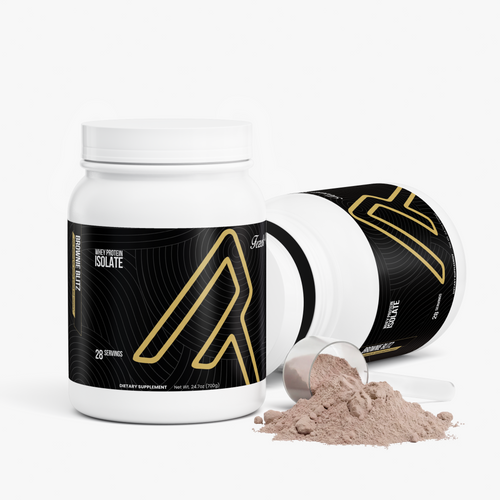
Thermogenic weight support techniques harness the body’s natural ability to generate heat and increase metabolic activity, making it easier to maintain a healthy weight while supporting overall vitality. By integrating simple, daily practices that stimulate thermogenesis, individuals can boost calorie expenditure, improve nutrient utilization, and promote a balanced energy profile without drastic lifestyle changes. This article outlines evidence-based methods that can be incorporated into everyday routines, providing a practical roadmap for sustainable weight management.
Understanding Thermogenesis
Thermogenesis is the process by which the body produces heat, primarily through the metabolism of nutrients. There are three main types:
- Basal thermogenesis: Energy expended at rest to maintain vital functions.
- Diet-induced thermogenesis (DIT): The increase in metabolic rate after eating, especially protein-rich meals.
- Activity-induced thermogenesis: Heat produced during physical movement, including non-exercise activity thermogenesis (NEAT).
Optimizing these pathways can subtly raise daily caloric burn, supporting weight goals while preserving lean tissue. For a deeper dive into the science behind these mechanisms, Read more about this topic.
Nutrition Strategies that Enhance Thermogenesis
1. Prioritize Protein
Protein has the highest thermic effect of food (TEF), requiring up to 30% of its calories for digestion, absorption, and metabolism.
- Include lean meats, fish, eggs, legumes, and dairy in each meal.
- Aim for 1.2-1.6″?g of protein per kilogram of body weight daily.
- Combine protein with fiber-rich vegetables to sustain satiety.
2. Incorporate Spicy Foods
Capsaicin, found in chili peppers, can temporarily raise body temperature and increase energy expenditure.
- Add a pinch of cayenne to soups, stews, or salads.
- Use ginger or turmeric for additional metabolic benefits.
3. Choose Thermogenic Beverages
Certain drinks can modestly boost metabolism.
- Green tea and oolong tea contain catechins that support fat oxidation.
- Cold water intake may induce a slight thermogenic response as the body works to warm the fluid.
For a comprehensive list of thermogenic foods and their preparation tips, Learn more in this detailed guide.
Physical Activity Techniques for Daily Thermogenesis
1. High-Intensity Interval Training (HIIT)
Short bursts of intense effort followed by brief recovery periods elevate post-exercise oxygen consumption (EPOC), keeping metabolism elevated for hours.
- Typical session: 20-30″?minutes, 4-6 cycles of 30-seconds sprint/effort, 60-seconds rest.
- Can be performed with bodyweight exercises, cycling, or rowing.
2. Non-Exercise Activity Thermogenesis (NEAT)
Every movement outside formal exercise contributes to total daily energy expenditure.
- Stand while working or use a sit-stand desk.
- Take brief walking breaks every hour.
- Use stairs instead of elevators.
3. Resistance Training
Building lean muscle increases basal metabolic rate, as muscle tissue requires more energy to maintain than fat.
- Perform full-body strength sessions 2-3 times per week.
- Focus on compound movements such as squats, deadlifts, and presses.
To explore how to structure a balanced weekly routine that combines these modalities, Explore further insights here.
Lifestyle Practices that Support Thermogenic Balance
- Adequate Sleep: 7-9″?hours per night helps regulate hormones that influence hunger and metabolism.
- Stress Management: Chronic stress elevates cortisol, which can blunt thermogenic responses. Techniques such as mindfulness, deep breathing, or yoga are beneficial.
- Cold Exposure: Brief exposure to cooler temperatures (e.g., cold showers, cool indoor settings) can activate brown adipose tissue, a type of fat that burns calories to generate heat.
- Consistent Meal Timing: Regular intervals prevent large insulin spikes and support steady metabolic activity throughout the day.
For additional lifestyle recommendations that complement thermogenic strategies, Find additional information here.
Putting It All Together: A Sample Daily Plan
The following schedule demonstrates how to integrate the discussed techniques into a typical weekday:
- Morning
- Start with a glass of cold water.
- Consume a protein-rich breakfast (e.g., Greek yogurt with berries and a sprinkle of nuts).
- Spend 5-10″?minutes doing light stretching or a short walk.
- Mid-Morning
- Enjoy a cup of green tea.
- Take a brief standing break from desk work.
- Lunch
- Include lean protein, a variety of vegetables, and a small portion of whole grains.
- Add a dash of cayenne pepper for flavor and a thermogenic boost.
- Afternoon
- Perform a 15-minute HIIT session or a brisk walk.
- Stay hydrated with cool water.
- Evening
- Engage in a resistance-training routine (30″?minutes).
- Finish the day with a protein-focused dinner and a brief cool-down period (e.g., a cool shower).
Adapting this framework to personal preferences and schedules can make thermogenic weight support both manageable and effective.
Monitoring Progress and Adjusting Strategies
Consistent tracking helps determine which techniques deliver the best results for an individual.
- Use a wearable device or smartphone app to monitor resting metabolic rate, activity levels, and sleep quality.
- Record dietary intake to ensure adequate protein and thermogenic food consumption.
- Adjust intensity, duration, or frequency of exercise based on energy levels and weight trends.
For guidance on selecting reliable tracking tools and interpreting data, Read more about this topic.
Conclusion
Thermogenic weight support techniques rely on a combination of nutrition, movement, and lifestyle adjustments that collectively raise daily energy expenditure. By incorporating protein-rich meals, spice-infused foods, strategic exercise patterns, and supportive habits such as adequate sleep and occasional cold exposure, individuals can create a sustainable environment for weight management. The key to success lies in consistency, personalizing the approach, and regularly reviewing progress to fine-tune the plan.
About the Author