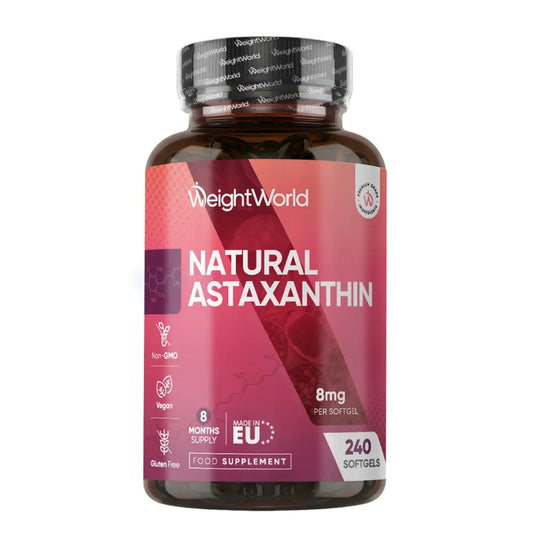
Vitamins and dietary supplements have become essential tools for people looking to bridge nutritional gaps, support specific health goals, and maintain overall wellbeing. While a balanced diet remains the foundation of good health, modern lifestyles, stress, and environmental factors often make it challenging to obtain every micronutrient in optimal amounts. Understanding how to select, combine, and use these products safely can transform a routine health plan into a strategic, results-driven regimen. This guide explores the science behind key nutrients, practical tips for choosing high-quality supplements, and ways to integrate them seamlessly into daily life.
Why Vitamins Matter: The Science Behind Micronutrients
Micronutrients act as co-factors in countless biochemical pathways. Deficiencies, even subtle ones, can impair immune function, energy metabolism, and cognitive performance. Research consistently shows that targeted supplementation can correct these imbalances and enhance physiological resilience.
- Energy production: B-vitamins (B1, B2, B3, B6, B12) are vital for converting food into usable cellular fuel.
- Antioxidant protection: Vitamins C and E, along with minerals like selenium, neutralise free radicals that accelerate aging.
- Bone health: Vitamin D works synergistically with calcium and magnesium to maintain bone density.
- Immune modulation: Vitamin D, zinc, and vitamin C support the innate immune response and reduce inflammation.
For readers seeking deeper insight, Discover expert strategies here. provides evidence-based articles that break down complex nutritional concepts into actionable steps.
Key Vitamins and Their Specific Benefits
Vitamin D – The Sunshine Vitamin
Vitamin D is unique because the body synthesises it through skin exposure to sunlight. In regions with limited sun, supplementation becomes crucial. Adequate levels support calcium absorption, muscle function, and mood regulation.
Vitamin B12 – The Energy Catalyst
B12 deficiency is common among vegetarians, older adults, and people with gastrointestinal issues. Supplementation can improve energy, nerve health, and red blood cell formation.
Vitamin C – The Immune Booster
Beyond its antioxidant role, vitamin C enhances iron absorption and supports collagen synthesis, which is essential for skin, joints, and wound healing.
If you want a curated overview of vitamin interactions, Explore advanced guides and tips. offers detailed charts and dosage recommendations.
Choosing Quality Supplements: What to Look For
Not all supplements are created equal. Quality assurance begins with raw material sourcing, manufacturing practices, and third-party testing. Consider the following criteria when evaluating a product:
- Transparent labeling: Look for clear ingredient lists, including the form of each vitamin (e.g., methylcobalamin vs. cyanocobalamin for B12).
- Third-party verification: Certifications from NSF, USP, or Informed-Sport indicate independent testing for purity and potency.
- Bioavailability: Liposomal or chelated forms often improve absorption compared with standard tablets.
- Manufacturing standards: GMP-certified facilities reduce the risk of contamination and ensure consistent dosing.
A reliable resource for vetted product selections can be found at Learn about our tailored solutions., where expert reviews align with the latest scientific consensus.
Integrating Supplements into Your Daily Routine
Effective supplementation is as much about timing and pairing as it is about the product itself. Here are practical steps to maximise benefits:
- Pair fat-soluble vitamins with meals: Vitamins A, D, E, and K are best absorbed alongside dietary fats.
- Separate minerals from high-dose calcium: Iron and zinc compete with calcium for absorption; stagger them across meals.
- Stay consistent: Set a reminder or integrate supplements into an existing habit, such as a morning coffee routine.
- Monitor response: Keep a short journal of energy levels, sleep quality, and any side effects to fine-tune dosages.
For a step-by-step plan on building a personalized supplement schedule, Find out more about this approach. offers templates that can be adapted to individual lifestyles.
Potential Risks and Safety Considerations
While many vitamins are safe when taken at recommended levels, excess intake can lead to toxicity or interfere with medication. Key safety points include:
- Upper intake limits: Fat-soluble vitamins (A, D, E, K) accumulate in the body; exceeding recommended doses may cause adverse effects.
- Drug interactions: Vitamin K can affect anticoagulant therapy; high doses of vitamin C may impact certain chemotherapy agents.
- Allergies and sensitivities: Some capsules use gelatin or soy; verify ingredient lists if you have known allergies.
- Professional guidance: Consult a healthcare provider before starting high-dose regimens, especially if you have chronic conditions.
Conclusion: Making Informed Choices for Sustainable Health
Optimising health through vitamins and supplements is a nuanced process that blends scientific knowledge with personal lifestyle factors. By prioritising quality, understanding nutrient interactions, and integrating supplements thoughtfully, individuals can close nutritional gaps, boost performance, and support long-term wellbeing. Continuous education and reliable resources, such as those provided at Discover expert strategies here., empower consumers to make evidence-based decisions without relying on vague marketing claims. Embrace the power of informed supplementation, and let each micronutrient work synergistically toward a healthier, more vibrant you.
About the Author