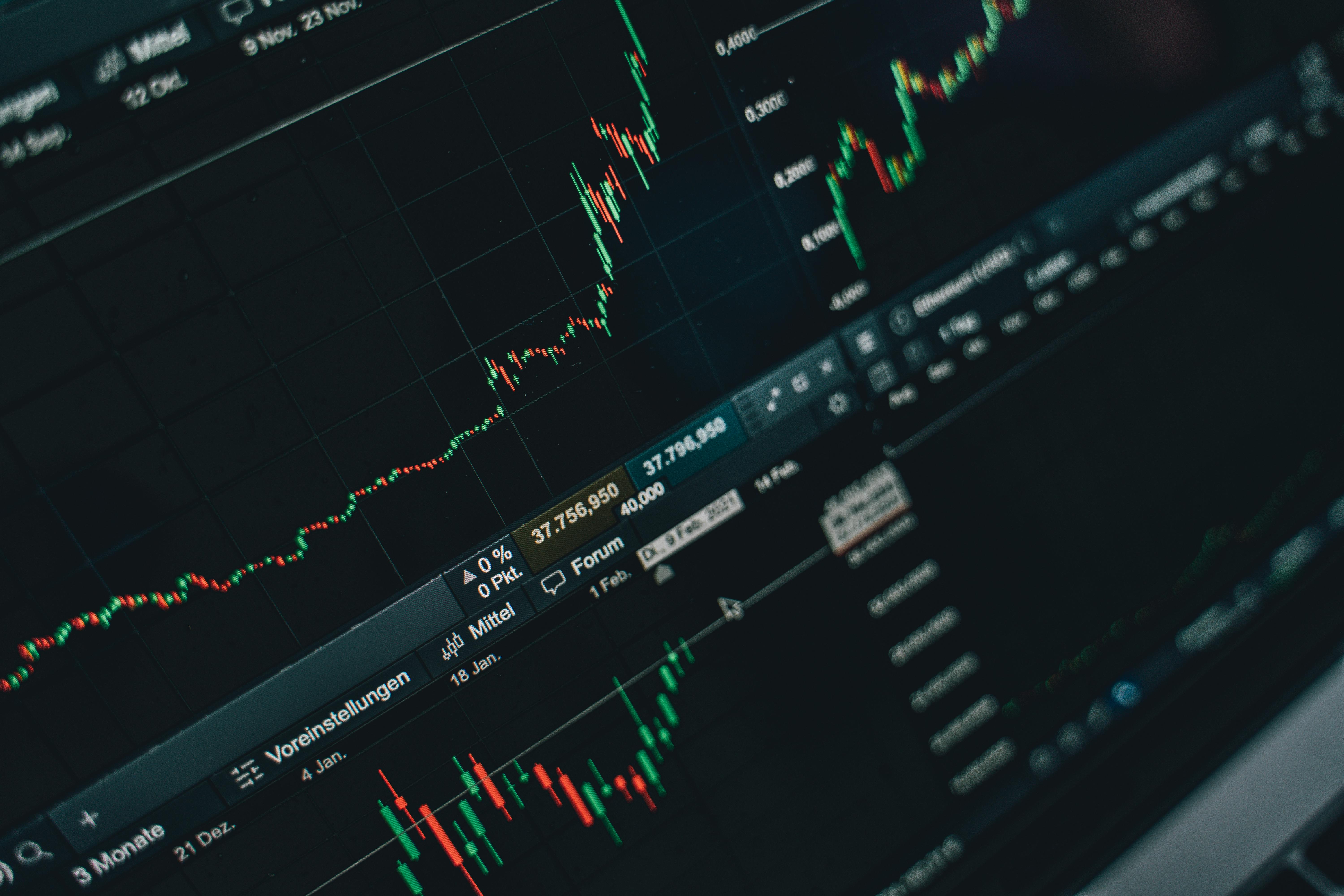
Investors today have access to sophisticated tools that can streamline the process of buying, selling, and managing equities. A well-chosen stock trading platform can serve as the central hub for research, execution, and portfolio oversight, helping both novice and experienced traders make informed decisions while reducing operational friction. Understanding the essential components of these platforms is the first step toward leveraging them for optimal financial outcomes.
Understanding Stock Trading Platforms
A stock trading platform is a software interface that connects users to financial markets, allowing them to place orders, monitor price movements, and analyze market data. While the core function, executing trades, remains constant, the surrounding features differentiate one platform from another.
Core Functionalities
- Real-time market data and charting tools.
- Order types ranging from market and limit orders to more advanced conditional orders.
- Portfolio tracking with performance metrics and risk indicators.
- Research libraries that include news feeds, analyst reports, and earnings calendars.
For a deeper dive into the mechanics of these features, Read more about this topic.
Key Features to Consider
When evaluating a platform, focus on attributes that align with personal trading strategies and risk tolerance.
Usability and Interface Design
- Intuitive navigation that reduces the learning curve.
- Customizable dashboards for quick access to frequently used tools.
- Responsive design that works across desktop, tablet, and mobile devices.
Analytical Tools
- Technical analysis indicators (e.g., moving averages, RSI, MACD).
- Fundamental analysis data such as P/E ratios, dividend yields, and balance sheet summaries.
- Back-testing capabilities for strategy validation.
To explore how these tools can be integrated into a trading workflow, Learn more in this detailed guide.
Benefits of Using a Modern Platform
Adopting a comprehensive trading solution can yield several tangible advantages.
- Speed of Execution: Direct market access reduces latency, ensuring orders are filled at intended prices.
- Cost Efficiency: Transparent fee structures and lower commissions can improve net returns.
- Data-Driven Decisions: Access to real-time analytics helps identify opportunities and mitigate risks promptly.
- Scalability: Features such as algorithmic trading modules support growth from hobbyist to professional volumes.
For additional perspectives on the impact of technology on investment outcomes, Explore further insights here.
Best Practices for Maximizing Returns
Even the most advanced platform cannot replace disciplined trading habits. Consider the following practices to enhance performance.
Develop a Clear Trading Plan
- Define entry and exit criteria based on quantitative signals.
- Set position sizing rules that align with risk management principles.
- Establish a review schedule to assess strategy effectiveness.
Leverage Research and Education Resources
- Utilize built-in news aggregators to stay informed about macroeconomic events.
- Participate in webinars or tutorials offered within the platform.
- Cross-reference third-party analyses to validate internal assumptions.
Guidance on constructing a robust plan can be found by Find additional information here.
Security and Compliance Considerations
Protecting capital and personal data is paramount. Reliable platforms incorporate multiple layers of security.
- Two-factor authentication (2FA) for account access.
- Encryption of data in transit and at rest.
- Regular audits to ensure compliance with regulatory standards.
- Segregated client accounts to safeguard funds.
Understanding these safeguards helps build confidence in the chosen solution; further details are available at Read more about this topic.
Conclusion
A stock trading platform that combines real-time data, robust analytical tools, and stringent security measures can significantly enhance an investor’s ability to manage risk and capture opportunities. By aligning platform features with individual goals, adhering to disciplined trading practices, and staying informed through reliable research channels, investors can position themselves to maximize returns while maintaining a professional, data-driven approach to market participation.
About the Author