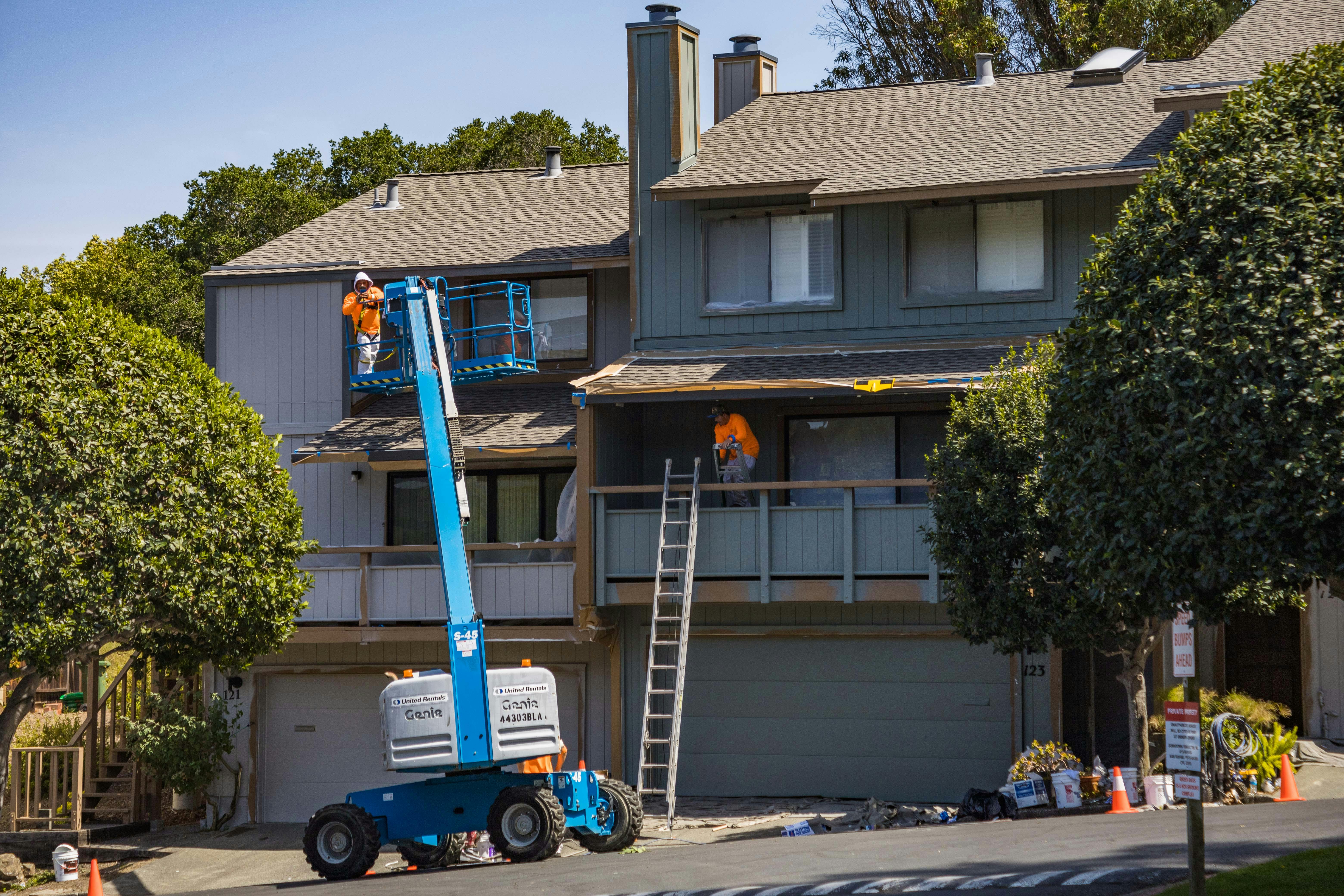
Roof gutters are essential components of a building’s drainage system, directing rainwater away from the foundation and preventing costly water damage. Choosing an installation service that balances quality, durability, and cost can be challenging, especially when homeowners seek long-term value without overspending. This guide outlines the key factors to consider, the typical steps involved in a professional gutter installation, and practical tips for maintaining the system after it is in place. By understanding the process and the criteria for selecting a provider, property owners can make informed decisions that protect their investment and enhance curb appeal.
Understanding the Core Elements of Gutter Systems
Before evaluating service options, it is helpful to recognize the primary components that make up a functional gutter system:
- Gutter channels: The troughs that collect runoff, available in various materials such as aluminum, vinyl, steel, and copper.
- Downspouts: Vertical pipes that channel water from the gutters to the ground or a drainage system.
- Hangars and brackets: Support structures that secure gutters to the roof edge.
- Leaf guards and screens: Accessories that reduce debris buildup and maintenance frequency.
Each component must be selected based on local climate, roof pitch, and architectural style. For a deeper dive into material selection, Read more about this topic.
Key Criteria for Selecting an Affordable Installation Service
Cost-effectiveness does not have to compromise quality. The following checklist can help identify reputable providers who deliver reliable work at reasonable rates:
Experience and Certification
- Years of experience in residential and commercial gutter installations.
- Relevant certifications or memberships in trade organizations.
- Evidence of ongoing training in the latest installation techniques.
Transparent Pricing Structure
- Itemized quotes that separate material costs from labor.
- Clear policies on additional charges for complex roof geometries or extra accessories.
- Availability of written warranties covering both materials and workmanship.
Local Knowledge and Compliance
- Familiarity with municipal building codes and permit requirements.
- Understanding of regional weather patterns that affect gutter sizing.
- Ability to recommend appropriate drainage solutions for the specific site.
For an overview of best practices in evaluating service providers, Explore further insights here.
The Typical Gutter Installation Process
A professional installation generally follows a systematic sequence to ensure optimal performance and longevity:
- Site Assessment: Measurement of roof perimeter, evaluation of existing drainage, and recommendation of gutter size.
- Material Selection: Choice of gutter material and accessories based on durability, aesthetics, and budget.
- Preparation: Cleaning of the roof edge, removal of old gutters (if applicable), and marking of hanger locations.
- Installation: Securing hangers, fitting gutter sections, sealing joints, and attaching downspouts.
- Testing: Simulating rain flow to verify proper water direction and checking for leaks.
- Final Walk-through: Reviewing the completed work with the homeowner and providing maintenance guidelines.
Detailed step-by-step instructions can be found in a comprehensive guide at Learn more in this detailed guide.
Maintenance Tips to Extend the Life of Your Gutters
Proper upkeep minimizes the risk of clogs, rust, and structural damage. Incorporate the following routine practices:
- Inspect gutters and downspouts twice a year, preferably after the spring thaw and before the fall leaf drop.
- Clear debris manually or with a low-pressure hose; consider installing leaf guards for high-tree areas.
- Check for loose hangers or brackets and tighten them promptly.
- Seal any small leaks with a high-quality silicone sealant.
- Ensure downspout extensions direct water at least three feet away from the foundation.
For additional maintenance recommendations, Find additional information here.
Cost-Saving Strategies Without Compromising Quality
Homeowners can reduce expenses while still achieving a durable gutter system by considering these approaches:
- Seasonal Discounts: Many installers offer lower rates during off-peak months.
- Material Mix-and-Match: Combine a premium material for visible sections with a more economical option for less exposed areas.
- DIY Preparation: Clear the roof edge and remove old gutters yourself to lower labor costs.
- Bulk Purchasing: Buying all required materials in one order may qualify for supplier discounts.
- Long-Term Warranty: Investing in a reputable warranty can prevent future repair expenses.
Strategies for budgeting a gutter project are discussed further at Explore further insights here.
Conclusion
Selecting an affordable roof gutter installation service involves balancing cost, expertise, and material quality. By understanding the components of a gutter system, applying a thorough evaluation checklist, and following recommended maintenance practices, homeowners can protect their property from water damage while maintaining a clean, functional exterior. The information provided here, complemented by the resources linked throughout the article, equips readers with the knowledge needed to make confident, cost-effective decisions for their gutter installation projects.
About the Author