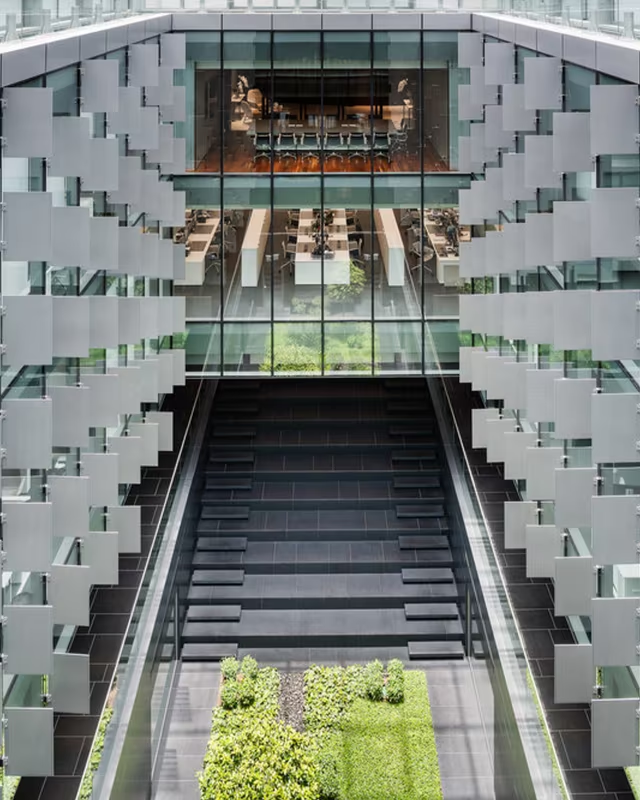
In recent years, the concept of integrating nature with urban architecture has gained significant traction. One of the most remarkable innovations in this domain is the green facade system. These living walls not only enhance the aesthetic appeal of buildings but also contribute to environmental sustainability. As cities continue to expand, the importance of incorporating green spaces within urban settings becomes increasingly vital. Green facades offer a viable solution, merging ecological benefits with architectural elegance.
The Basics of Green Facade Systems
Green facades are vertical structures that support various types of vegetation. They are typically composed of a structural system that allows plants to grow along the facade of a building. This setup can transform any ordinary wall into a lush, green surface.
Types of Green Facades
- Direct Greening: Involves using climbing plants that grow directly on the building walls. This traditional approach requires less infrastructure but may necessitate more maintenance.
- Indirect Greening: Utilizes support structures such as trellises or cables separate from the building, allowing plants to grow vertically without clinging directly to the wall.
Find additional information on these types here.
Benefits of Green Facade Systems
The implementation of green facades offers numerous advantages, both environmentally and economically. These benefits make them an attractive option for urban planners and architects alike.
- Improved Air Quality: Green facades act as natural air filters, removing pollutants and producing oxygen.
- Thermal Regulation: By providing natural insulation, these systems can reduce energy costs associated with heating and cooling.
- Noise Reduction: The vegetation can help absorb sound, reducing noise pollution in urban areas.
- Increased Biodiversity: They create habitats for various species of birds and insects, promoting ecological diversity.
Explore further insights on the benefits of green facades here.
Challenges in Implementing Green Facades
While the benefits are significant, there are also challenges to consider when implementing green facades. Understanding these obstacles can help in planning and executing a successful project.
- Initial Costs: The installation of green facades can be expensive, though they often result in long-term savings.
- Maintenance Requirements: Regular care is required to ensure plant health and system functionality.
- Structural Considerations: The added weight of the vegetation and support systems must be taken into account during the design phase.
Learn more in this detailed guide on overcoming these challenges here.
Design Considerations for Green Facades
When planning a green facade, several design elements should be considered to ensure both functionality and aesthetics.
Choice of Plants
- Choose species that are well-suited to the local climate and the specific conditions of the site.
- Consider the growth habits and maintenance needs of the plants.
Structural Design
- Ensure the support structure can handle the weight and growth of the plants.
- Incorporate irrigation systems to maintain plant health, especially in arid climates.
Read more about this topic and design best practices here.
Conclusion
Green fa??ade systems represent a harmonious blend of nature and architecture, offering a sustainable solution to urban development challenges. By understanding the benefits, challenges, and design considerations, architects and urban planners can effectively integrate these verdant walls into cityscapes, promoting a healthier and more aesthetically pleasing environment. For those interested in delving deeper into this subject, it is recommended to explore further insights here.
About the Author