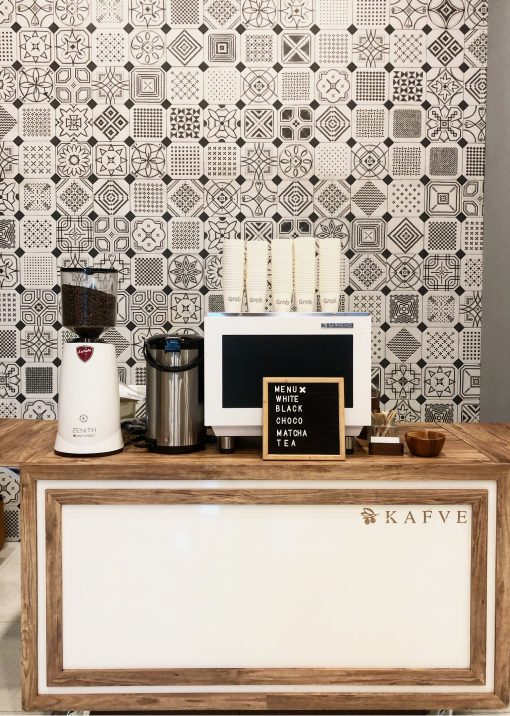
In today’s fast-paced corporate environment, the breakroom has evolved from a simple place to grab a snack into a strategic hub for employee well-being and collaboration. Introducing a dedicated coffee service, particularly an office barista, can transform that space into a vibrant, productivity-boosting lounge. A skilled coffee professional not only delivers consistently great espresso, but also cultivates a culture of pause, conversation, and creativity. Below is a practical guide, drawn from the experience of a seasoned coffee barista in Singapore, on how to redesign your breakroom into a coffee-centric oasis that benefits both staff morale and bottom-line performance.
Why an Office Barista Makes Business Sense
Investing in a coffee specialist may appear as a luxury, yet the return on investment can be measured in tangible outcomes:
- Enhanced Employee Engagement: Quality coffee creates a ritual that encourages employees to step away from their desks, fostering informal networking and idea exchange.
- Improved Productivity: Caffeine, when consumed in moderation, sharpens focus and reduces fatigue, leading to shorter task completion times.
- Talent Attraction & Retention: Modern workplaces compete on amenities; a premium coffee experience can tip the scales for top talent.
- Brand Perception: A well-run coffee station signals attention to detail and a commitment to employee welfare, reinforcing a professional brand image.
Planning the Breakroom Layout
Assess Space and Traffic Flow
Before installing equipment, map out the existing floor plan. Consider the following:
- Proximity to power outlets and water lines.
- Clear pathways that prevent bottlenecks during peak coffee-break hours.
- Separate zones for preparation, service, and seating.
Select Appropriate Equipment
A professional barista thrives with tools that balance performance and footprint. Typical essentials include:
- Commercial espresso machine (dual-group for higher volume).
- Grinder with programmable dosing for consistency.
- Milk frothing station with temperature control.
- Compact refrigeration for milk and alternative milks.
Choosing the Right Coffee Supplier
Quality beans are the foundation of any great cup. Partnering with a reputable roaster that offers a rotating selection of single-origin and blended beans keeps the menu fresh and encourages staff to explore new flavors. In Singapore, many offices rely on local roasters who understand the tropical palate and can provide consistent grind profiles for espresso, filter, and cold-brew preparations.
Designing a Menu That Appeals to All
A well-curated menu balances classic favorites with innovative options. Below are categories that work well in a corporate setting:
- Espresso-Based Classics: Americano, Latte, Cappuccino, Flat White.
- Cold Selections: Iced Americano, Cold Brew, Nitro Cold Brew.
- Non-Coffee Alternatives: Matcha latte, herbal teas, fresh juices.
- Seasonal Specials: Pumpkin spice latte in autumn, iced hibiscus tea in summer.
Providing clear, visually appealing menu boards helps employees make quick choices and reduces wait times.
Training and Ongoing Support
Even the best equipment can underperform without skilled hands. A professional coffee barista Singapore typically offers:
- Initial on-site training covering espresso extraction, milk texturing, and equipment maintenance.
- Monthly refresher sessions to introduce new brewing methods or seasonal drinks.
- Remote troubleshooting support for quick issue resolution.
Continuous education ensures the barista stays updated on industry trends and can adapt the menu to evolving employee preferences.
Creating an Inviting Atmosphere
The visual and sensory environment influences how often employees will use the breakroom. Consider these design touches:
- Lighting: Warm, adjustable lighting creates a cozy ambience.
- Seating: Mix of high stools for quick stand-ups and lounge chairs for relaxed conversations.
- Brand Elements: Subtle signage or artwork that reflects the company’s culture without overt branding.
- Acoustic Comfort: Soft background music or sound-absorbing panels to keep the space pleasant.
Measuring Success
To justify the investment, track key performance indicators (KPIs) that align with business goals:
- Employee satisfaction scores from quarterly surveys.
- Average daily foot traffic in the breakroom.
- Reduction in reported fatigue or mid-day slump incidents.
- Cost-per-cup analysis compared to previous vending-machine models.
Regularly reviewing these metrics allows adjustments to menu pricing, staffing hours, or equipment maintenance schedules.
Cost Considerations and Budgeting
While the upfront cost of a commercial espresso machine and barista services can be significant, a phased approach helps manage expenses:
- Phase 1 – Essentials: Install core equipment and hire a part-time barista for peak hours.
- Phase 2 – Expansion: Add additional drink options and extend barista coverage based on usage data.
- Phase 3 – Optimization: Introduce loyalty programs or subscription models to offset operational costs.
Final Thoughts
Transforming a breakroom into a coffee-centric hub is more than an aesthetic upgrade; it is a strategic move that nurtures employee well-being, encourages collaboration, and subtly reinforces a professional brand identity. By following the steps outlined, evaluating space, selecting the right equipment, partnering with a skilled coffee specialist, and continuously measuring impact, organizations can create a lasting, positive workplace experience. The result is a breakroom that not only serves exceptional coffee but also fuels the creativity and productivity of every team member.
About the Author