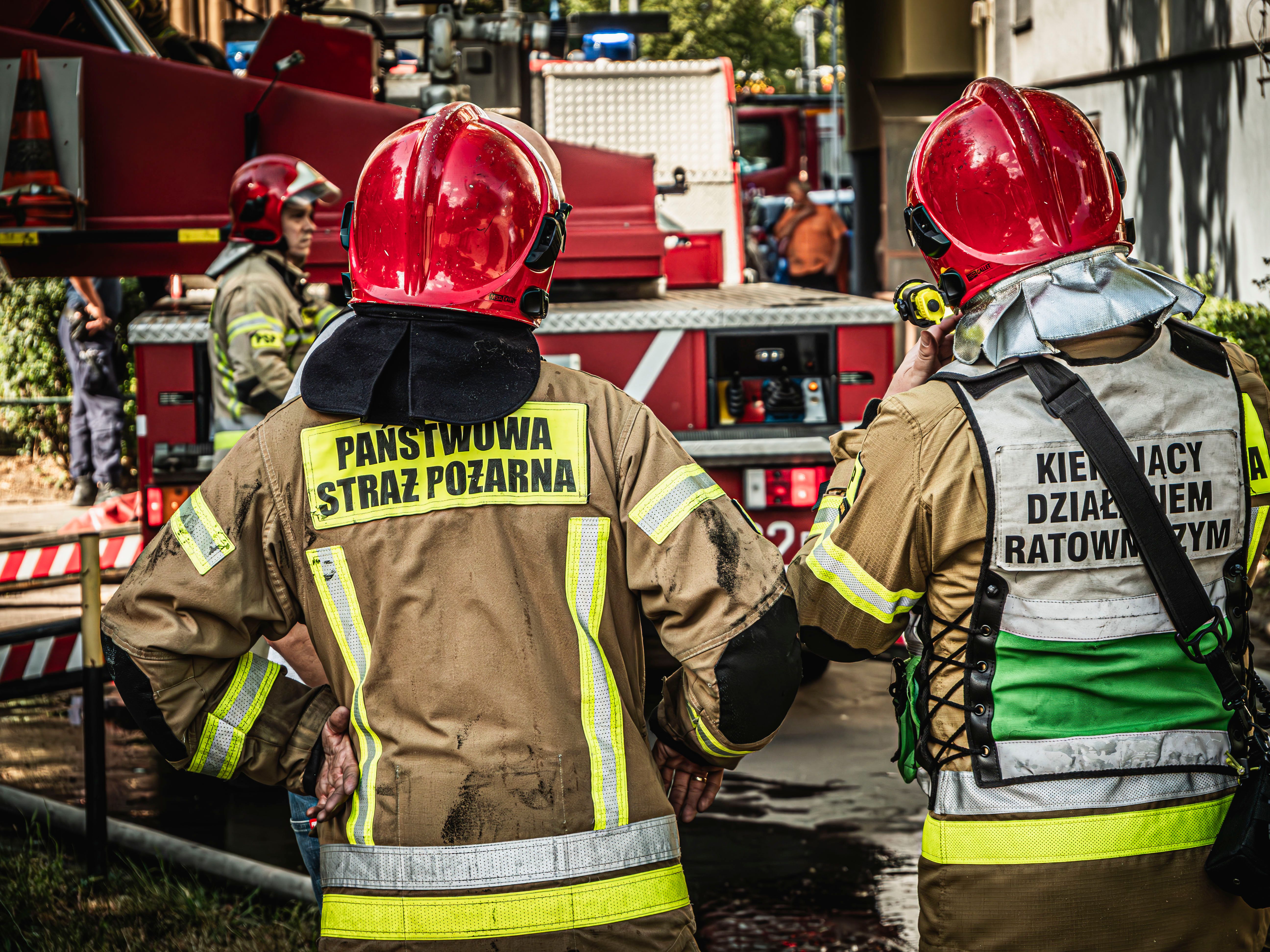
Fire engineering is a critical component of risk management for any organization that values the safety of its people, property, and reputation. By integrating scientific analysis, regulatory compliance, and cutting-edge technology, fire engineering services create a resilient environment that minimizes the likelihood of catastrophic loss. Whether the focus is on new construction, retrofitting existing facilities, or ongoing maintenance, a systematic approach to fire safety safeguards assets while supporting operational continuity.
Core Elements of Comprehensive Fire Engineering
Risk Assessment and Hazard Analysis
A thorough risk assessment forms the foundation of any fire protection strategy. It involves:
- Identifying potential ignition sources, combustible materials, and vulnerable equipment.
- Evaluating occupancy patterns and building usage to determine exposure levels.
- Quantifying probable loss scenarios using probabilistic modeling.
These insights guide the selection of appropriate protection measures and enable stakeholders to prioritize investments based on actual risk exposure.
Design and Integration of Fire Protection Systems
Effective fire protection design balances code compliance with practical functionality. Key considerations include:
- Selection of detection technologies (smoke, heat, flame sensors) suited to the specific hazard profile.
- Specification of suppression systems, sprinklers, gas-based agents, or water mist, aligned with asset value and operational constraints.
- Integration with building management systems for real-time monitoring and automated response.
For detailed guidance on system selection, Discover expert strategies here.
Regulatory Compliance and Code Navigation
Fire engineering must align with local, provincial, and national codes, such as the National Fire Code of Canada and relevant NFPA standards. Navigating these regulations requires:
- Interpretation of prescriptive requirements versus performance-based solutions.
- Preparation of documentation for permit approvals and inspections.
- Ongoing liaison with authorities having jurisdiction to ensure continued compliance.
Professionals who specialize in code interpretation can streamline this process; Learn about our tailored solutions for navigating complex regulatory landscapes.
Implementation Services
Turning design into reality involves coordinated efforts across multiple disciplines. Implementation services typically cover:
- Project management to keep timelines, budgets, and quality standards on track.
- Installation of detection and suppression hardware by certified technicians.
- Commissioning tests that validate system performance under simulated fire conditions.
- Training for facility staff on operation, maintenance, and emergency procedures.
Best practices for commissioning are outlined in Explore advanced guides and tips.
Ongoing Maintenance and Inspection
Fire protection systems lose effectiveness without regular upkeep. A proactive maintenance program includes:
- Scheduled inspections of detectors, alarms, and sprinkler heads.
- Functional testing of control panels and power supplies.
- Documentation of findings, corrective actions, and compliance records.
- Periodic review of risk assessments to reflect changes in occupancy or processes.
Continuous improvement is essential; Find out more about this approach to lifecycle management.
Specialized Services for High-Risk Environments
Industries such as petrochemical processing, data centers, and healthcare facilities face unique fire hazards. Specialized services address these complexities through:
- Explosion-venting and blast-mitigation design.
- Clean-agent suppression for equipment-sensitive areas.
- Enhanced egress analysis and smoke control engineering.
- Integration with emergency response planning and drills.
Benefits of a Holistic Fire Engineering Strategy
Adopting a comprehensive fire engineering framework delivers measurable advantages:
- Asset protection: Reduces potential damage and downtime.
- Insurance savings: Demonstrated risk mitigation can lower premiums.
- Regulatory confidence: Ensures compliance and reduces the likelihood of penalties.
- Stakeholder assurance: Enhances reputation among customers, investors, and employees.
Choosing the Right Partner
Selecting a fire engineering provider requires careful evaluation of expertise, methodology, and track record. Consider the following criteria:
- Credentials and certifications (e.g., P.Eng., NFPA approvals).
- Experience with projects of similar scale and complexity.
- Demonstrated ability to integrate fire safety with building automation.
- Commitment to ongoing support and education.
For a deeper look at partnership considerations, Explore advanced guides and tips on evaluating fire safety consultants.
Conclusion
Protecting assets from fire damage demands a systematic, science-driven approach that spans assessment, design, implementation, and maintenance. By leveraging expert fire engineering services, organizations can achieve robust protection, regulatory compliance, and operational resilience. The integration of advanced technologies and continuous risk management ensures that fire safety remains a strategic advantage rather than a reactive necessity.
About the Author