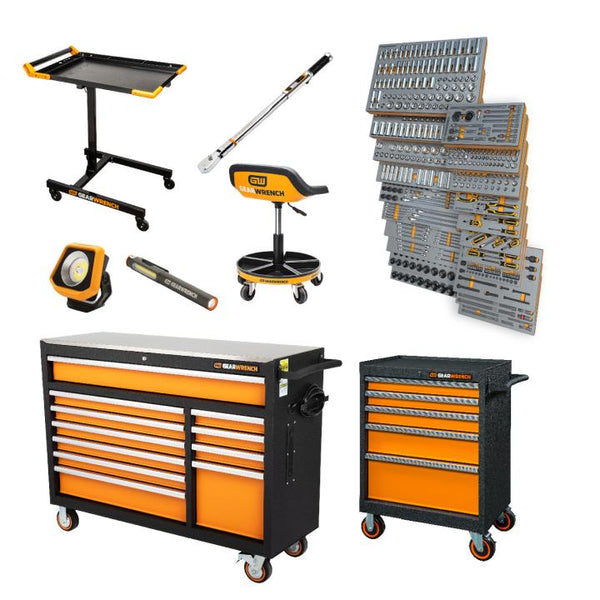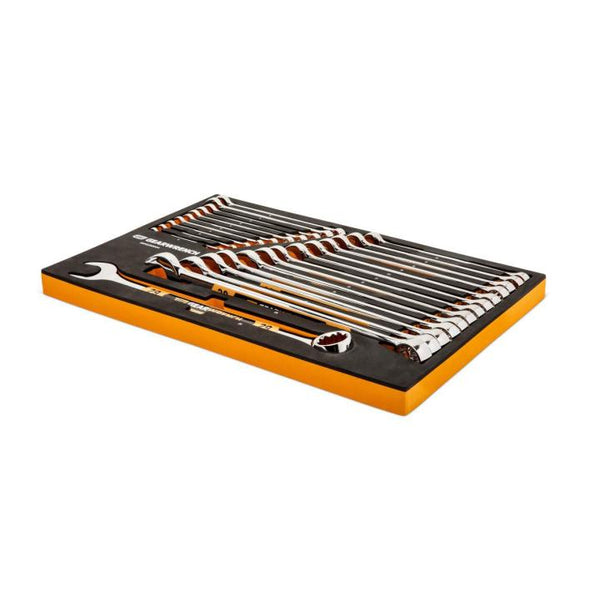
Finding a reliable automotive tool shop online can feel overwhelming, especially when the goal is to source high-quality equipment without compromising on price or service. The digital marketplace offers countless options, but a systematic approach helps narrow the field and ensures that the tools purchased are both appropriate for the task and backed by solid warranties. This article outlines the key factors to consider, the steps to verify credibility, and practical tips for making an informed purchase from an online automotive tool retailer.
Identify Your Specific Needs
Before diving into any website, clarify the exact tools required for the intended projects. Different automotive tasks demand distinct categories of equipment, such as diagnostic scanners, torque wrenches, impact drivers, or specialty hand tools. Creating a concise list helps streamline the search and prevents unnecessary purchases.
Key considerations when defining needs
- Type of vehicle(s) you work on – passenger cars, trucks, or specialty vehicles.
- Scope of work – routine maintenance, performance upgrades, or heavy-duty repairs.
- Required specifications – torque range, voltage, battery life, or compatibility with specific software.
- Future expansion – tools that can grow with your skill set or workshop.
Evaluate Website Credibility
A trustworthy online tool shop demonstrates transparency, clear policies, and reliable customer support. Look for the following indicators before committing to a purchase.
Essential credibility markers
- Professional website design with easy navigation and functional search filters.
- Detailed product descriptions, including technical specifications, dimensions, and warranty terms.
- Secure checkout process (HTTPS) and multiple payment options.
- Accessible contact information – phone number, email, and physical address when available.
- Clear return and exchange policies that protect the buyer.
For a deeper dive into assessing online retailers, Read more about this topic.
Compare Product Quality and Pricing
Even within a single category, tool quality can vary widely. Use independent resources and industry standards to gauge the durability and performance of each item.
Steps for effective comparison
- Check for industry certifications such as ISO, ANSI, or OEM approvals.
- Review material composition – forged steel, high-grade aluminum, or hardened alloys.
- Assess warranty length; longer warranties often signal confidence in product longevity.
- Use price-comparison tools or spreadsheets to track offers across multiple sites.
When you need a comprehensive pricing analysis, Learn more in this detailed guide.
Assess Shipping, Delivery, and After-Sales Support
Fast, reliable shipping and responsive after-sales service are critical, especially for time-sensitive repairs. Evaluate the following aspects before finalizing an order.
Shipping and support checklist
- Shipping costs – free shipping thresholds versus flat rates.
- Delivery timeframes – standard versus expedited options.
- Packaging quality – protection against damage during transit.
- Availability of technical assistance, manuals, or video tutorials.
- Ease of initiating warranty claims or replacements.
To explore how shipping policies can affect overall cost, Explore further insights here.
Leverage User Resources and Community Knowledge
While the article avoids direct brand mentions, many online tool shops provide educational resources such as blogs, how-to videos, and forums. These assets can help you verify that the tools you plan to buy are suitable for your specific applications.
Useful resource types
- Technical articles that explain tool functionality and best practices.
- Video demonstrations showing real-world usage.
- FAQ sections addressing common concerns about compatibility and maintenance.
- Downloadable manuals and safety guidelines.
For additional learning materials, Find additional information here.
Finalize Your Purchase with Confidence
After completing the research steps above, you should have a clear picture of the ideal tool, the most reliable retailer, and the terms that protect your investment. Follow these final actions to ensure a smooth transaction.
Final checklist
- Confirm the product matches all technical specifications on your list.
- Verify that the total cost includes taxes, shipping, and any applicable fees.
- Double-check the return policy and warranty documentation before checkout.
- Save order confirmations and tracking numbers for future reference.
- Consider setting up a post-purchase reminder for routine maintenance or calibration.
By adhering to a structured approach, automotive professionals and DIY enthusiasts alike can locate the perfect online tool shop, secure high-quality equipment, and maintain a productive workshop without unnecessary hassle.
About the Author