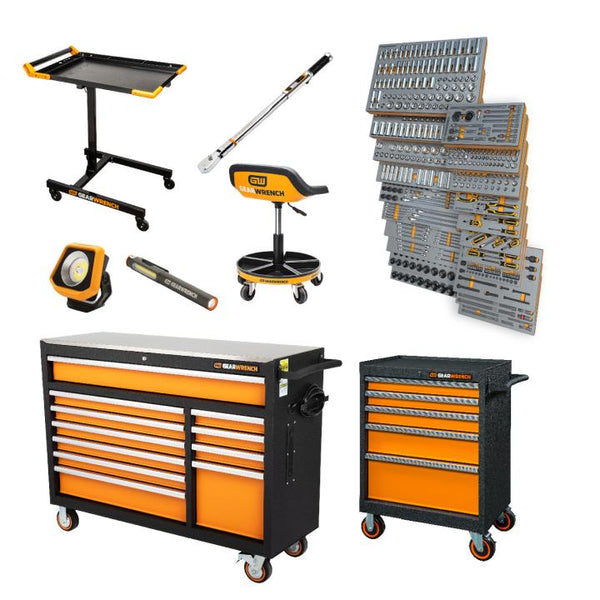
When it comes to maintaining a workshop or outfitting a personal garage, the right mechanic tools can make the difference between a job done efficiently and one that drags on with unnecessary hassle. High-quality equipment not only improves productivity but also enhances safety, precision, and the overall longevity of both the tools and the machinery they service. This article explores the key categories of mechanic tools that are frequently offered at discounted rates, outlines the factors to consider when evaluating a purchase, and provides practical guidance for selecting equipment that delivers lasting value.
Why Discounted Premium Tools Are Worth Considering
Purchasing premium tools at reduced prices can be a strategic move for both seasoned professionals and hobbyist mechanics. The primary advantages include:
- Access to durable, high-performance equipment without the full retail cost.
- Opportunity to upgrade an existing toolkit with specialized items that may have been previously out of budget.
- Reduced long-term maintenance expenses thanks to superior build quality.
For a deeper dive into the financial benefits of buying discounted equipment, Read more about this topic.
Essential Categories of Mechanic Tools
Hand Tools
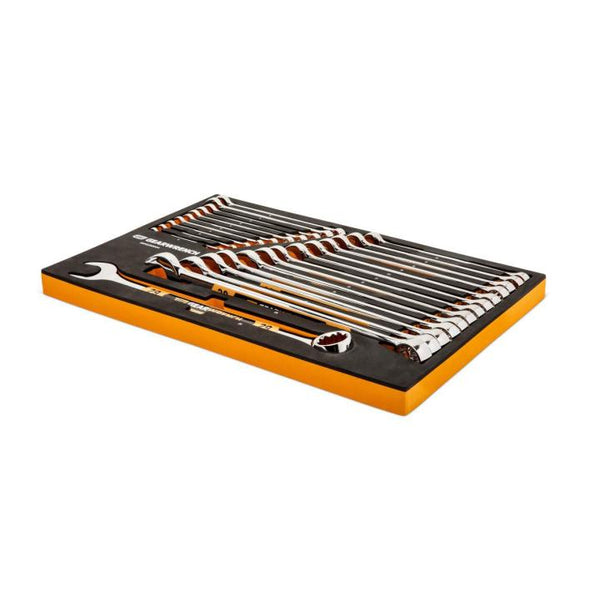
Hand tools form the backbone of any mechanic’s arsenal. When selecting discounted hand tools, focus on the following attributes:
- Ergonomic handles that reduce hand fatigue.
- Heat-treated steel for increased strength and wear resistance.
- Precision-ground tips to ensure a snug fit on fasteners.
Learn more in this detailed guide.
Power Tools
Power tools accelerate repetitive tasks such as drilling, grinding, and cutting. Key considerations include:
- Motor power and torque specifications appropriate for the intended applications.
- Variable speed controls for flexibility across different materials.
- Built-in safety features like overload protection and anti-kickback mechanisms.
Explore further insights here.
Diagnostic Equipment
Modern vehicles rely heavily on electronic systems, making diagnostic tools indispensable. When evaluating discounted diagnostic units, verify:
- Compatibility with a wide range of vehicle makes and model years.
- Software update capabilities to keep the device current.
- Clear, readable displays and intuitive user interfaces.
Find additional information here.
Factors to Assess Before Buying
Even when a tool is offered at a reduced price, thorough assessment is essential to avoid hidden pitfalls. Consider the following checklist:
- Warranty Coverage: Verify the length and terms of any warranty that accompanies the discounted item.
- Condition Verification: Confirm whether the tool is new, refurbished, or used, and request detailed condition reports if available.
- Return Policy: Ensure there is a clear return or exchange policy in case the tool does not meet expectations.
- Supplier Reputation: Research the seller’s track record for delivering authentic, high-quality equipment.
Maximizing Savings Without Compromising Quality
Strategic purchasing can stretch a budget further while still securing reliable tools. Below are proven tactics:
- Bundle Purchases: Buying complementary tools together often unlocks additional discounts.
- Seasonal Sales: Take advantage of end-of-year clearance events or holiday promotions.
- Bulk Orders: Large-scale orders for workshops may qualify for volume pricing.
- Trade-In Programs: Some retailers accept old equipment as credit toward new purchases.
For a comprehensive overview of effective buying strategies, Read more about this topic.
Maintenance Tips to Extend Tool Lifespan
Investing in premium tools is only part of the equation; proper upkeep ensures they remain functional for years. Follow these best practices:
- Clean tools after each use to remove debris and moisture.
- Lubricate moving parts according to manufacturer recommendations.
- Store tools in a dry, organized environment to prevent corrosion and damage.
- Perform regular inspections for wear, cracks, or loose components.
Conclusion
Discounted premium mechanic tools provide a valuable opportunity to enhance a workshop’s capabilities while managing costs. By understanding the essential categories, evaluating key quality factors, and employing smart purchasing strategies, mechanics can assemble a reliable, high-performance toolkit without overspending. Consistent maintenance further protects the investment, ensuring that each tool continues to deliver precision and durability over its service life.
About the Author